Sweet Sabotage: How Fructose-Heavy 'Wellness' Foods Are Quietly Disrupting Your Cellular Energy Engine
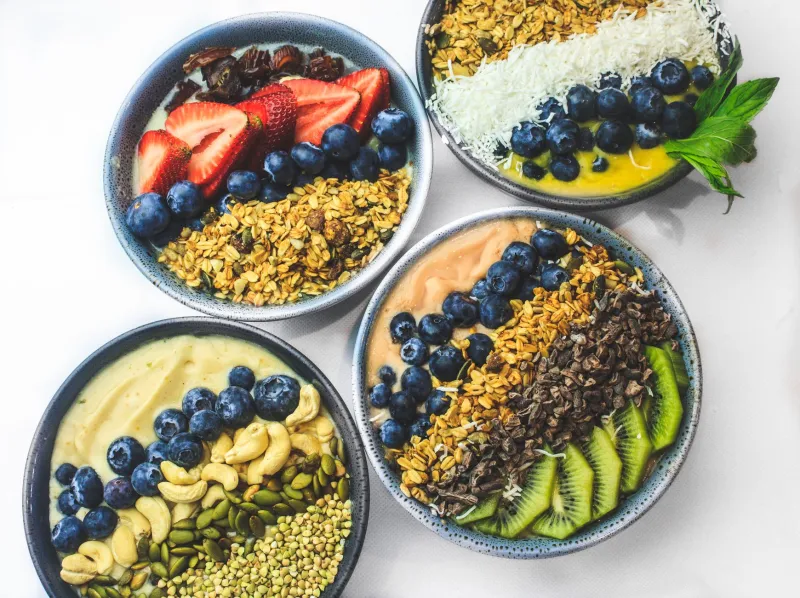
The morning ritual looks impeccable on paper. A blended bowl layered with frozen mango, banana, and açaí, topped with granola, honey, and a scattering of dried fruit. Photographed beside a linen napkin and a glass of cold-pressed juice, it signals health, intention, and discipline. Yet beneath that aesthetically pleasing surface, a biochemical sequence is unfolding that your mitochondria may be poorly equipped to manage—at least at the quantities modern wellness culture has normalized.
Fructose is not inherently a toxin. In evolutionary context, humans consumed it in modest amounts through seasonal fruit, which arrived alongside fiber, water, and a host of phytonutrients that modulated its absorption. The problem is not fructose in a handful of berries. The problem is fructose delivered in concentrated, fiber-stripped, or volumetrically excessive forms—and the remarkable ease with which those forms appear in foods marketed as clean and nourishing.
The Biochemical Fork in the Road
To understand why fructose is metabolically distinct from glucose, it helps to trace both molecules from ingestion to cellular use.
Glucose enters the bloodstream and triggers insulin release, which signals cells throughout the body to take it up. Glucose metabolism is tightly regulated: when cellular energy is sufficient, rate-limiting enzymes slow the process, preventing excess from accumulating. The system has brakes.
Fructose operates differently. It is absorbed through a separate intestinal transporter and delivered almost exclusively to the liver, where it is phosphorylated by an enzyme called fructokinase. Critically, this enzyme has no feedback inhibition—it continues processing fructose regardless of the liver's current energy status. The result is an unregulated surge of fructose metabolites flooding hepatic pathways.
A portion of this fructose is converted to glucose and glycogen. But when liver glycogen stores are already adequate—which is common in people eating regular meals—the overflow is shunted toward de novo lipogenesis, the process by which the liver manufactures fat. This fat is packaged into very low-density lipoproteins and exported into circulation, contributing to elevated triglycerides and the accumulation of lipid droplets within the liver itself.
Where Mitochondria Enter the Picture
The liver's mitochondria are central players in this drama. Under ordinary metabolic conditions, these organelles efficiently oxidize fatty acids and carbohydrates to generate ATP. But when fructose floods the liver in large quantities, several disruptions emerge.
First, the rapid phosphorylation of fructose consumes phosphate and temporarily depletes ATP within hepatic cells. This energy dip triggers uric acid production as a byproduct—a compound that has been independently associated with mitochondrial dysfunction, oxidative stress, and impaired nitric oxide signaling.
Second, the excess fat generated through de novo lipogenesis accumulates in and around mitochondria, impairing their structural integrity and reducing the efficiency of the electron transport chain. Research has demonstrated that hepatic fat accumulation correlates with reduced mitochondrial oxidative capacity—meaning the organelles responsible for energy production become less effective at their primary task.
Third, chronic fructose exposure has been linked to increased production of reactive oxygen species within liver mitochondria. Without adequate antioxidant buffering, this oxidative burden promotes mitochondrial membrane damage and can accelerate the degradation of mitochondrial DNA, which is particularly vulnerable given its proximity to the electron transport chain.
The Wellness Food Paradox
Where does this leave the smoothie bowl?
Consider a common preparation: one cup of frozen mango, one frozen banana, a packet of açaí puree, a tablespoon of honey, a quarter cup of granola, and a handful of dried cranberries. This combination, assembled with genuine health intent, can easily deliver 60 to 80 grams of sugar—with a substantial fraction of that as fructose—often within a single morning sitting.
For context, the American Heart Association recommends limiting added sugar to 25 grams per day for women and 36 grams for men. Even without added sugars, concentrated fruit sources can push fructose intake well beyond what the liver can gracefully manage, particularly when consumed in liquid or near-liquid form that bypasses the satiety signaling and fiber-mediated absorption modulation that whole fruit provides.
Yogurt parfaits present a similar challenge. A standard layered parfait with flavored yogurt, granola, and mixed fruit can rival a dessert in its fructose content, while its protein component creates a false impression of metabolic balance. The cellular reality is more complicated.
Comparing the Metabolic Burden
It is worth noting that not all fructose sources carry equal risk. Whole fruit consumed in reasonable portions delivers fructose alongside fiber, polyphenols, and water—factors that slow absorption, modulate gut hormone responses, and reduce the net hepatic burden. A single apple or a cup of blueberries is metabolically quite different from three bananas blended into a liquid base.
The concern intensifies with:
- Dried fruit, which concentrates fructose while removing water and compressing volume, making overconsumption nearly effortless
- Fruit juices and smoothies, which strip or reduce fiber and accelerate gastric emptying
- Flavored yogurts and granola products, which frequently contain high-fructose corn syrup or fruit concentrates in addition to naturally occurring sugars
- Stacked combinations, where individually modest fructose sources compound into a substantial hepatic load within a single meal
Practical Strategies for Protecting Cellular Energy
The goal is not to abandon fruit or to treat every gram of fructose as a metabolic emergency. Rather, it is to consume fruit-based foods in ways that preserve their benefits while reducing the liver's burden—and by extension, protecting mitochondrial integrity.
Prioritize whole fruit over processed forms. Eating a piece of fruit rather than drinking it preserves fiber content and slows fructose delivery to the liver, giving hepatic mitochondria time to process the incoming load without being overwhelmed.
Anchor fruit-based meals with protein and fat. Including eggs, nuts, seeds, or full-fat dairy alongside fruit-heavy dishes slows gastric emptying and blunts the rate of fructose absorption.
Be conservative with dried fruit and fruit-based toppings. A tablespoon of raisins or dried mango is a condiment, not a serving. Treating it accordingly meaningfully reduces fructose load.
Audit flavored and packaged wellness foods. Granola, flavored yogurt, açaí packets, and protein bars frequently contain more sugar than their health-adjacent branding suggests. Reading nutrition labels with fructose in mind—rather than simply scanning for total calories—is a more mitochondria-informed approach.
Distribute fruit intake across the day. Rather than front-loading a large fruit-based meal in the morning, spreading fruit consumption across multiple smaller servings reduces the peak fructose burden on the liver at any given time.
A More Honest Accounting
The mitochondria do not distinguish between organic honey and refined syrup at the biochemical level. What they register is the rate, volume, and metabolic context in which fructose arrives. A wellness culture that has elevated the smoothie bowl to near-sacred status has, in many cases, inadvertently created a vehicle for delivering fructose at concentrations the liver was never designed to manage on a daily basis.
This is not an argument against fruit. It is an argument for precision—for understanding that cellular health requires more than good intentions and wholesome-sounding ingredients. The mitochondria that power every function in your body operate according to biochemistry, not branding. Aligning your dietary choices with that reality is one of the more meaningful investments you can make in long-term energy and metabolic resilience.